
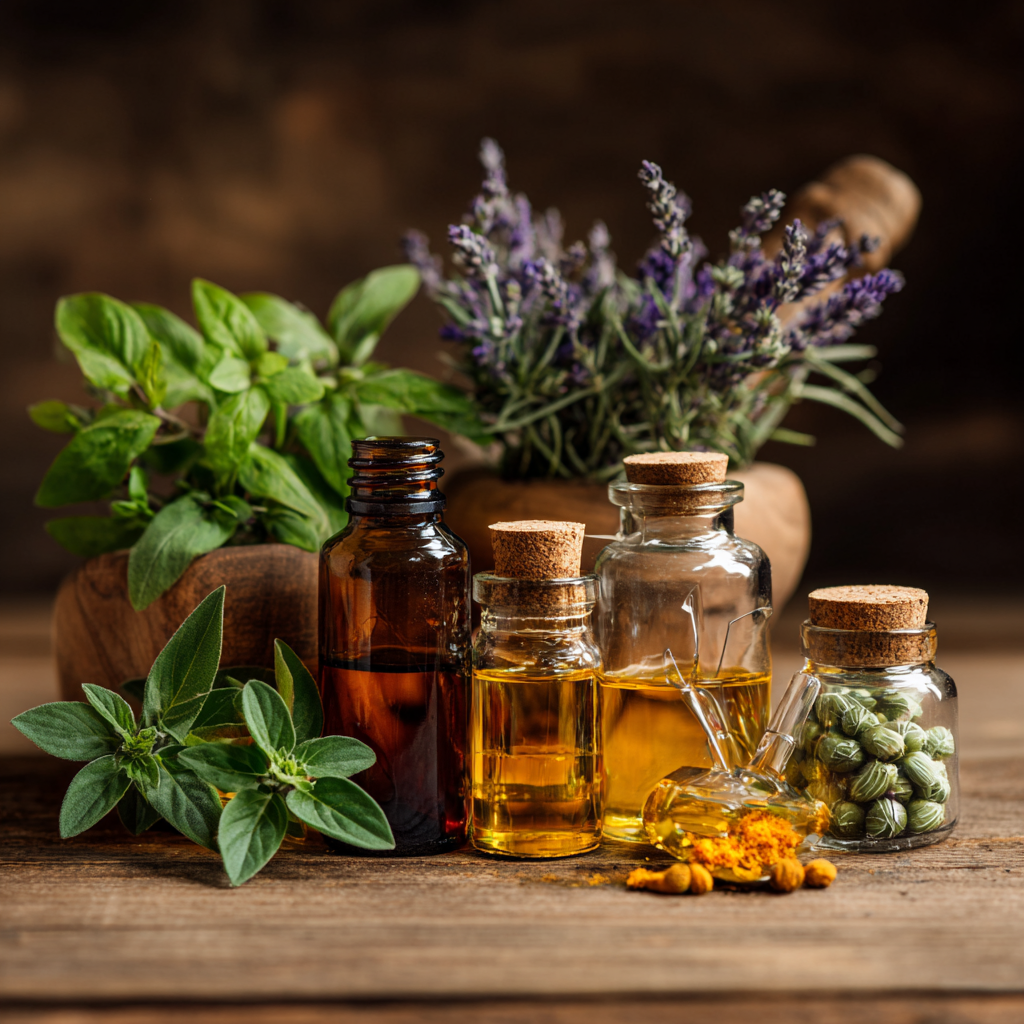
Techniques Every New Herbalist Should Know
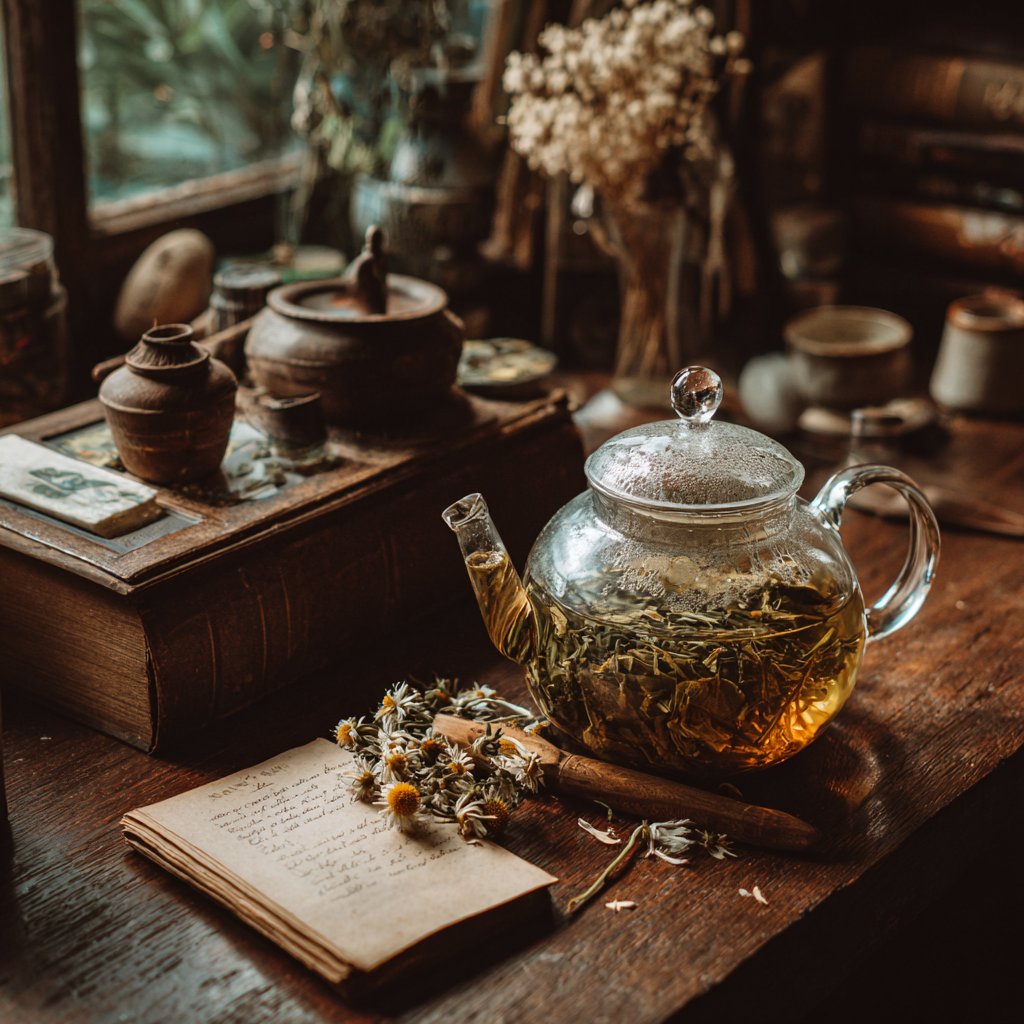
Infusion – This is basically making a strong herbal tea. You pour hot water over leaves or flowers, let it sit for a bit, and the water pulls out the lighter, more delicate compounds.
Hot water does a great job pulling out vitamins, minerals, aromatic oils, tannins, and other light, water-soluble compounds. It works well for leaves and flowers that release their goodness quickly.
Decoction – Used for tougher plant parts like roots, bark, or seeds. You simmer them in water so the heat has enough time to pull out the heavier, more stubborn constituents.
Simmering breaks into tougher plant material and extracts heavier compounds like alkaloids, bitter principles, starches, and strong minerals. It’s ideal for roots, bark, seeds, and really fibrous plants.
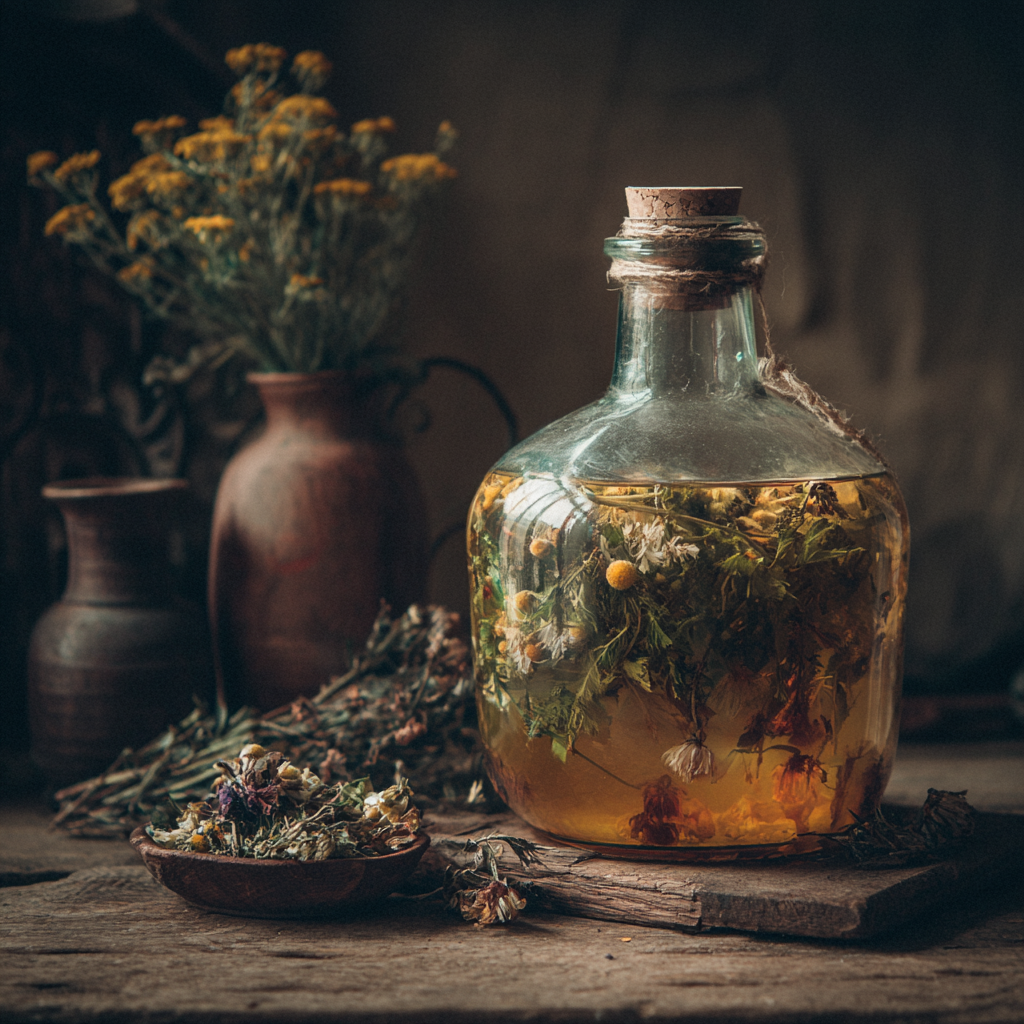
Tincture – Herbs are soaked in alcohol for a few weeks. The alcohol does the heavy lifting, pulling out compounds that water can’t reach and keeping the extract shelf stable.
Alcohol digs out a wide range of compounds, including resins, alkaloids, volatile oils, bitters, flavonoids, glycosides, and many constituents that water alone can’t reach. It’s one of the most complete extraction methods.
Glycerite – Similar to a tincture, but made with vegetable glycerin instead of alcohol. It tastes sweeter and is great for kids or anyone avoiding alcohol.
Glycerin pulls out many of the same compounds as alcohol, though usually in gentler amounts. It’s good for sweet flavoring herbs, aromatics, and plants with water-soluble or mildly alcohol-soluble constituents.
Vinegar Extraction (Acetum) – Herbs are steeped in vinegar, which grabs different minerals and plant acids. People often use apple cider vinegar for this because it has a pleasant tang.
Vinegar is excellent for minerals, plant acids, alkaloids in some cases, and nutrient-rich herbs. It’s great when you want a tangy extract that carries the more nutritional side of a plant.
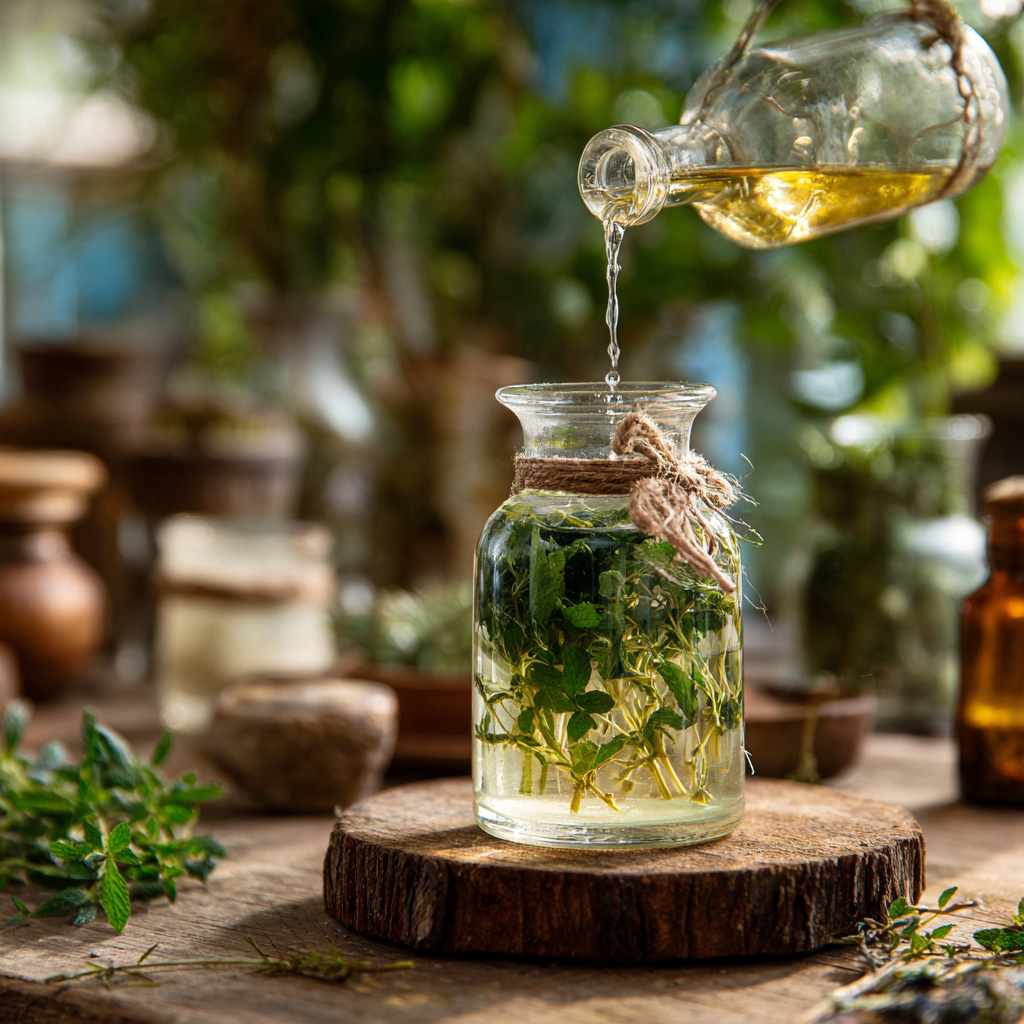
Oil Infusion – Herbs sit in a carrier oil like olive or jojoba, and over time the oil absorbs their fat-soluble goodies. This is the base for salves, balms, and massage oils.
Oil grabs fat-soluble compounds like essential oils, resins, waxes, and soothing emollients. This is the method for skin-supporting herbs, aromatics, and anything meant for topical use.
Decanted Oil (Solar or Warm Infusion) – The herbs are warmed gently, either by sunlight or low heat, to speed up the oil infusion. It’s slow and kind of cozy but works surprisingly well.
Gentle heat helps oil pull out the same fat-soluble compounds but a bit faster. It’s nice for resinous plants and flowers that release more easily when warmed.
Oxymel – A mix of vinegar and honey infused with herbs. The vinegar extracts minerals while honey adds soothing qualities, making it easier to take.
The vinegar pulls minerals and acids while the honey carries soothing polysaccharides and softens sharp flavors. It’s a balanced way to extract herbs used for the throat, immunity, and digestive comfort.
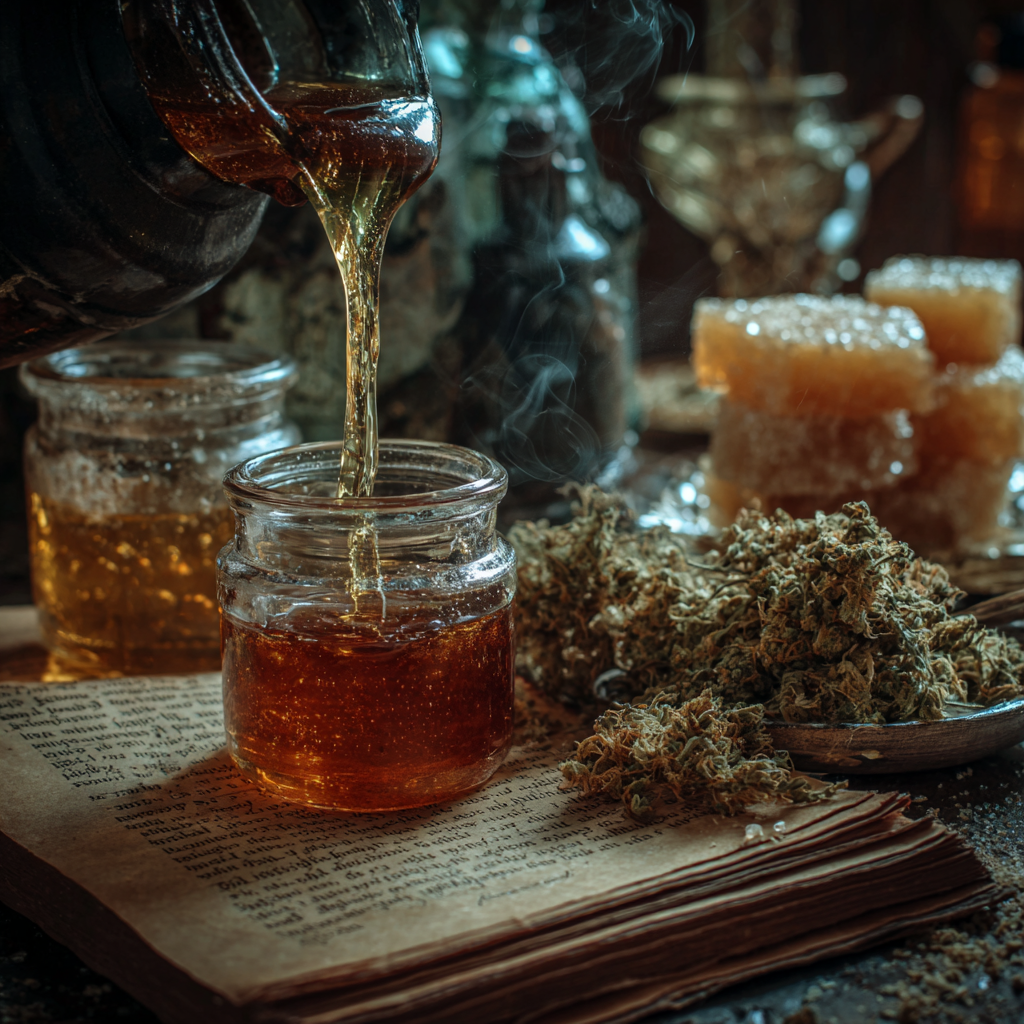
Syrup – A strong tea or decoction is mixed with honey or sugar to thicken it. People often use it when they want something comforting, especially for throat and cough blends.
A heavy tea or decoction mixed with sweetener holds water-soluble compounds like tannins, aromatic compounds, vitamins, and mucilage. It’s commonly used for respiratory herbs or anything meant to coat and soothe.
Poultice – Fresh or dried herbs are mashed and applied directly to the skin. It’s messy but powerful when you need something that works right on the spot.
Because you’re applying the whole plant directly, everything the plant contains can act on the skin at once. Moisture draws out enzymes, volatile oils, tannins, and other active compounds right where they’re needed.
Compress – A cloth soaked in an herbal infusion or decoction is placed on the body. It’s a gentler option when you want topical support without using the whole plant.
Warm or cool liquid brings water-soluble compounds to the skin, such as tannins, mucilage, bitters, minerals, and aromatic components. It’s a softer alternative when a poultice feels too intense.
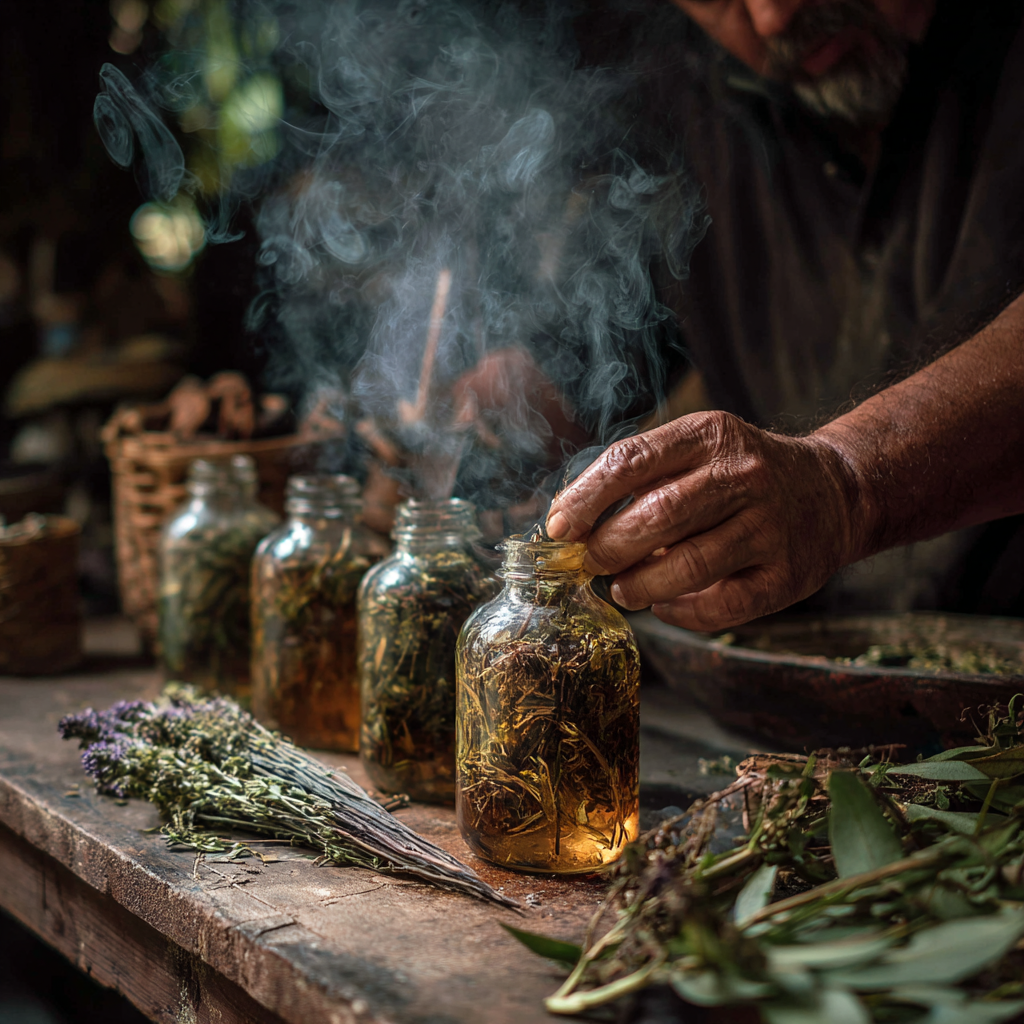
Maceration (Cold Infusion) – Herbs soak in cold or room-temperature water for several hours. It’s perfect for plants that lose their best qualities when heated.
Percolation – A faster, more technical tincture method where the liquid moves slowly through packed herbs. It creates a strong extract in much less time.
Because the liquid moves slowly through packed herbs, it extracts a wide range of compounds with efficiency similar to tincturing. It works well for alkaloids, resins, bitters, flavonoids, and most active constituents.
Herbal Extraction Methods and What They’re Best At
| Extraction Method | Type of Compound to Extract | Sample Herbs |
| Infusion | Vitamins, minerals, aromatic oils, tannins, light water-soluble compounds | Chamomile, peppermint, lemon balm, nettle leaf |
| Decoction | Alkaloids, bitters, strong minerals, starches, tough fibrous compounds | Dandelion root, burdock root, cinnamon bark, ginger root |
| Tincture | Resins, alkaloids, volatile oils, bitters, flavonoids, glycosides | Echinacea, valerian, hawthorn, skullcap |
| Glycerite | Water-soluble and mildly alcohol-soluble compounds, aromatics | Elderberry, chamomile, lemon balm, catnip |
| Vinegar Extraction | Minerals, plant acids, some alkaloids, nutrient-rich constituents | Nettle, horsetail, garlic, rosemary |
| Oil Infusion | Same as oil infusion but faster release of resins and volatile oils | Arnica, rosemary, plantain, calendula |
| Oxymel | Minerals, plant acids, soothing polysaccharides | Thyme, oregano, garlic, elderberry |
| Syrup | Water-soluble compounds like tannins, aromatics, mucilage | Marshmallow root, elderberry, licorice, mullein |
| Poultice | Whole-plant actions including enzymes, volatile oils, tannins | Plantain leaf, comfrey, chickweed, yarrow |
| Compress | Water-soluble compounds delivered topically: tannins, mucilage, minerals | Chamomile, rose, yarrow, lavender |
| Cold Maceration | Mucilage, delicate vitamins, aromatic notes, cooling compounds | Marshmallow root, oatstraw, hibiscus, violet leaf |
| Percolation | Wide range: alkaloids, bitters, flavonoids, resins (similar to tincture) | Goldenseal, echinacea, ashwagandha, angelica |