
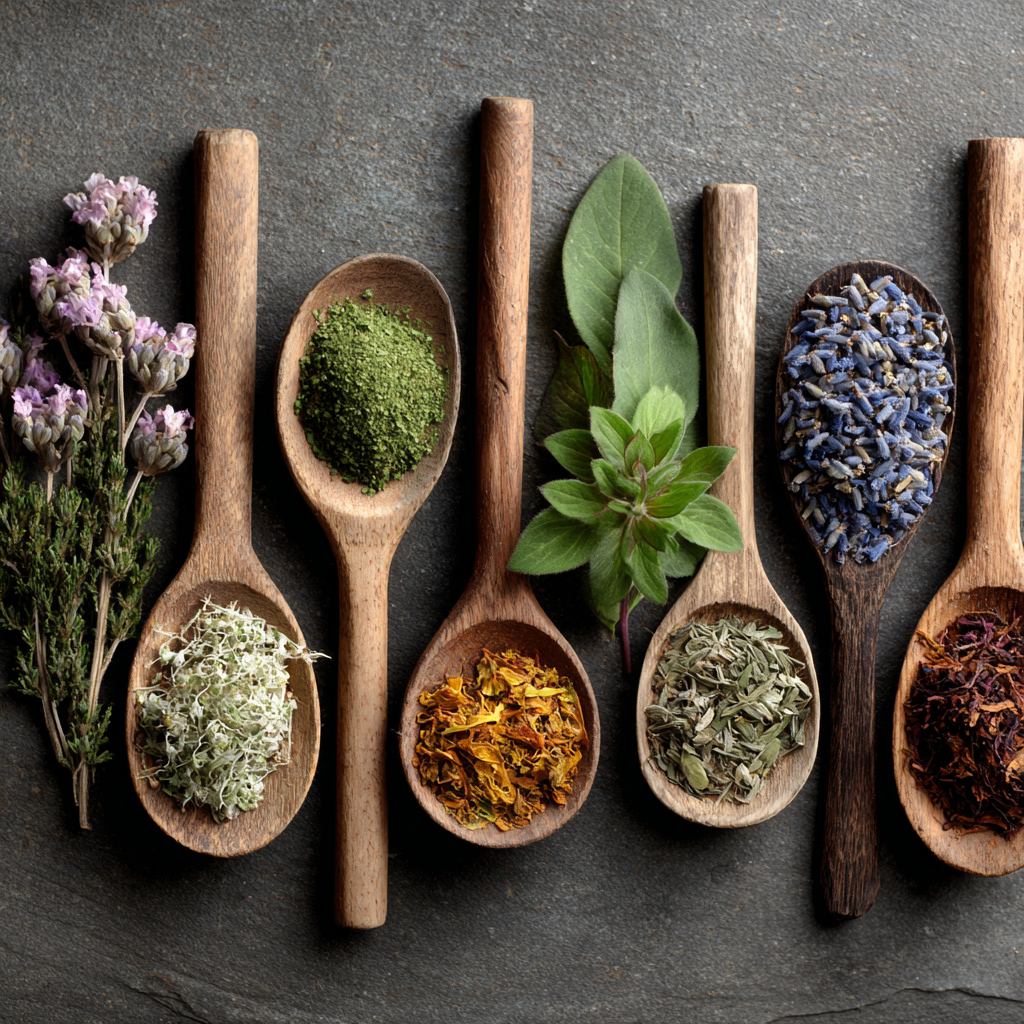
A Plain-Language Overview of Herbal Actions
Adaptogen – it’s basically a type of herb that helps the body deal with stress. These plants don’t work like a stimulant or a sedative—they nudge your system toward balance. People use them because they can support energy, mood, or resilience when life gets a bit overwhelming. The idea is that an adaptogen doesn’t push you in one direction; it helps your body respond more smoothly to whatever stress you’re already handling.
Alterative – an alterative is an herb that gently supports the body’s long-term balance, especially by helping the organs that handle waste and cleanup. People often describe alteratives as plants that nudge the system toward healthier function over time. They don’t act fast or dramatically; instead, they slowly encourage better digestion, clearer skin, steadier energy, and overall resilience by supporting processes like detoxification and circulation.
Analgesic – simply something that helps ease pain. It doesn’t fix the cause of the problem, but it can make the discomfort feel more manageable. Herbal analgesics vary in strength, and some work on muscle tension while others calm irritated tissues or settle nerve pain. The idea is straightforward: they reduce how strongly the body perceives pain, giving you a bit of relief while everything else has time to settle down.
Anticatarrhal – an herb that helps the body clear out excess mucus. It’s used when someone feels congested, heavy, or stuffed up, especially during colds or seasonal flare-ups. These herbs don’t usually act dramatically, but they encourage the system to move out that buildup so breathing feels easier and the head doesn’t feel as bogged down. They basically support the body’s natural process of clearing things out.
Antimicrobial – something that helps the body deal with harmful microbes like bacteria, fungi, or sometimes even viruses. It doesn’t always wipe everything out on its own, but it supports the body in keeping these organisms in check so an infection doesn’t take over. Different antimicrobial herbs work in different ways, yet the general idea is that they make it harder for unwanted microbes to grow or spread while your immune system does its job.
Antioxidant – a substance that helps protect the body from damage caused by unstable molecules called free radicals. These molecules show up through normal metabolism, stress, pollution, and all kinds of daily wear and tear. Antioxidants don’t work like a quick fix; they just help steady things and reduce the strain on cells so the body can function more smoothly over time.
Astringent – an herb that tightens or tones tissues. You notice the effect most in places where things feel too loose, irritated, or overly moist. Astringents help draw things together a bit, which can calm minor bleeding, reduce diarrhea, or soothe swollen or weepy skin. The action isn’t usually harsh; it’s more of a firming, steadying influence that helps the body regain a sense of stability.
Bitter – an herb with a noticeably bitter taste that triggers the body’s digestive response. As soon as your tongue picks up that bitterness, your system starts waking up—saliva increases, stomach acid rises a little, and the whole digestive tract gets ready to do its job. People use bitters to support appetite, digestion, and general gut function. The idea is simple: the bitter flavor acts like a gentle nudge that reminds the body how to process food more effectively.
Carminative – an herb that helps ease gas and bloating. These plants often have aromatic qualities, and they work by relaxing tension in the digestive tract so trapped gas can move along more comfortably. People reach for carminatives when they feel tight, crampy, or overly full after eating. The effect is usually gentle but noticeable, giving the gut a chance to settle down and function more smoothly.
Demulcent – an herb that soothes and coats irritated tissues, especially in the throat, stomach, or urinary tract. These herbs tend to be rich in mucilage, which gives them a soft, slippery quality that calms dryness or inflammation. People use demulcents when things feel scratchy, raw, or overly reactive. The action isn’t dramatic—it’s more like a gentle protective layer that gives the body a chance to heal.
Diaphoretic – an herb that encourages the body to sweat. It’s often used when someone has a fever or feels chilled and stuck, because a light sweat can help the body shift gears and move through the illness more comfortably. Some diaphoretics warm you up, while others help open the pores in a gentler way. The overall idea is that they support the body’s natural process of releasing heat and tension.
Diuretic – an herb that encourages the body to release more urine, which helps move excess fluid out of the system. People often use diuretics when they’re dealing with swelling, water retention, or situations where the kidneys could use a little extra support. The effect usually isn’t harsh; it’s more of a steady nudge that helps the body regulate its fluids and clear things out a bit more efficiently.
Emmenagogue – an herb that encourages menstrual flow. It’s generally used when someone’s cycle is delayed, sluggish, or marked by a feeling of heaviness or stagnation. These herbs vary in strength, and some work mainly by improving circulation to the pelvic area. The idea isn’t to force anything but to support a more natural, steady rhythm when things feel out of sync.
Expectorant – an herb that helps the body loosen and move mucus out of the lungs and airways. When someone has a cough that feels stuck or too thick to clear, expectorants encourage the mucus to thin and come up more easily. They don’t usually act instantly, but they make breathing feel less heavy and help the body clear the congestion at its own pace.
Hepatic – an herb that supports the liver and its many jobs, from filtering the blood to processing nutrients and breaking down waste. These herbs don’t typically offer a quick change, but they help the liver work more smoothly over time. People turn to hepatics when they want to strengthen overall liver function or give it a bit of help after stress, sluggish digestion, or long-term strain.
Nervine – an herb that supports the nervous system, usually by calming tension or easing restlessness. Some nervines are gentle and soothing, while others are a bit stronger and help settle frayed nerves when stress has been building up. People use them when they feel overstimulated, worried, or simply worn down. The overall idea is to help the body unwind so the mind can settle.
Tonic – an herb taken regularly to strengthen or restore the body over time. It doesn’t create an immediate, dramatic effect; instead, it works slowly, supporting general vitality and resilience. People reach for tonics when they want steady, long-term nourishment for areas like the immune system, digestion, or overall energy. It’s more about building a stable foundation than offering quick relief.