
Traditionally used for topical preparations—think washes, salves, and oils—aimed at soothing minor skin irritation and supporting the skin’s normal repair process. Modern herbal regulatory monographs in Europe still frame calendula flower as a traditional option for minor skin inflammation and minor wounds.
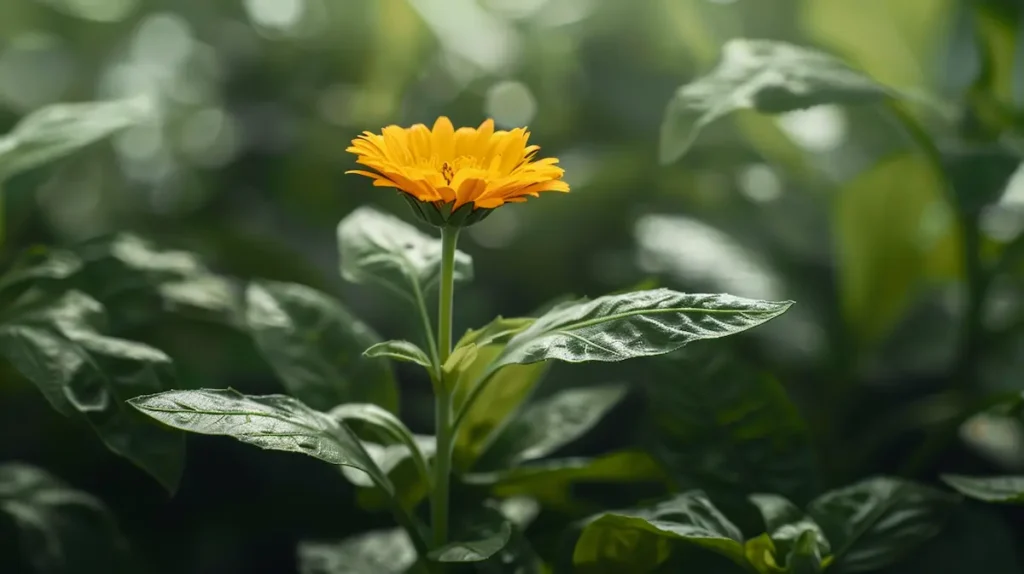
Calendula officinalis L. European Medicines Agency (EMA)
Common names: calendula, pot marigold (not the same as ornamental marigolds in the Tagetes genus)
Calendula is traditionally described with these functional actions:
Soothing to irritated tissue: often used where skin feels reactive or “angry.”
Vulnerary (traditionally supportive of skin repair): a classic herbal category for topical care. PubMed+1
Anti-inflammatory (traditional + research-supported direction): studies suggest calendula extracts can influence inflammatory signaling pathways. PMC+1
Mild antimicrobial support (traditional context): often included in topical formulas intended to keep skin environments “unfriendly” to unwanted microbes. PMC+1
Practical Uses
For Humans
In everyday herbal practice, calendula is most famous as a topical herb. People commonly reach for it when they want:
A comforting herbal wash after rough weather, friction, or dryness
A gentle salve or infused oil for routine skin care
A soothing compress for “hot, bothered” skin (you know the type)
It’s also used internally in some traditions (often as a tea or tincture), but calendula’s modern reputation is very much “skin-first.”
For Pets
Calendula can be used cautiously for pets, mainly as a very mild external wash.
Most common use: a diluted calendula tea rinse for minor skin irritation (no open, deep, or infected wounds)
Safety notes:
Avoid eyes, nose, and mouth—pets will lick anything that smells interesting.
Skip essential oils entirely for pets.
If your pet has known plant allergies (especially to the daisy family), go extra slow.
If the area is painful, oozing, swollen, or worsening, a veterinarian should guide next steps.
Parts Used
Calendula shows up in herbal practice in a very “choose your own adventure” way.
External use (most common):
- Infusion/tea as a wash or compress (fresh or dried petals)
- Infused oil (petals steeped in oil, then strained)
- Salve/balm (infused oil thickened with wax)
- Creams/ointments (commercial or apothecary-style)
Internal use (less common, tradition-based):
- Tea/infusion
- Tincture (alcohol extract)
- Occasionally in formulas where gentle herb support is desired
Shelf-life ranges (practical guidelines):
- Dried flowers: ~1 year when stored cool, dark, and dry (color fading is a clue potency is drifting)
- Water-based infusion (tea): use within 24–48 hours if refrigerated
- Infused oil: ~6–12 months (shorter if any moisture got in)
- Salve: ~1–2 years depending on oils used and storage
Active Constituents
Calendula’s chemistry is one reason it’s so beloved for topical formulas:
- Triterpenoids (including faradiol-related compounds/esters): strongly associated with calendula’s anti-inflammatory activity in research. PMC+1
- Flavonoids (e.g., quercetin- and isorhamnetin-type compounds are commonly discussed in calendula literature): part of the plant’s antioxidant “toolkit.” ScienceDirect+1
- Carotenoids (notably lutein and related pigments): the same family of compounds that gives many plants their golden/orange glow. American Chemical Society Publications
- Polysaccharides: often discussed in relation to soothing and barrier-supportive topical applications. ScienceDirect+1
How It Works
Calendula’s “how” is a team effort—no single compound does all the work.
- Research suggests calendula extracts may modulate inflammatory signaling, including cytokine-related pathways such as IL-6 in experimental models. PMC+1
- Triterpenoids are frequently highlighted as key contributors to anti-inflammatory effects, especially in concentrated extracts. European Medicines Agency (EMA)+1
- Carotenoids and flavonoids add antioxidant support, which is relevant because irritated skin often comes with oxidative stress (basically: biological “friction”). American Chemical Society Publications+1
A grounded way to think about it: calendula is often chosen to support comfort, calm, and normal tissue recovery, especially topically.
Extraction & Preparation
Calendula extracts beautifully—but the best method depends on what you’re aiming for.
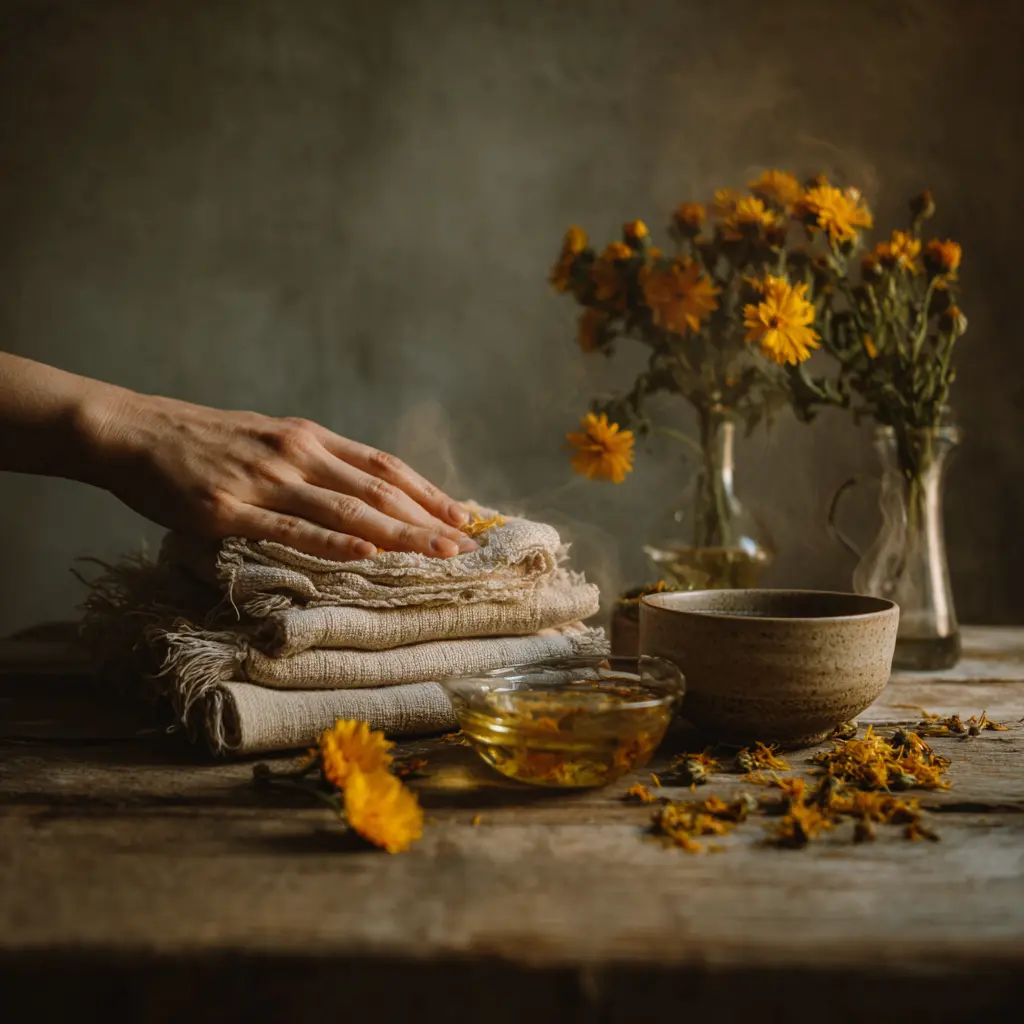
- For a gentle wash/compress: hot water infusion works well for day-to-day topical use.
- For a richer, skin-loving preparation: an oil infusion pulls out many resinous and lipophilic constituents and is a classic base for salves.
- For a broad-spectrum extract: tinctures (often mid-range alcohol) are used when you want a shelf-stable, versatile preparation.
Studies and monographs often emphasize that triterpenoids are important for anti-inflammatory activity, and these can be better represented in certain extract types (like CO₂ or other concentrated extracts), which is one reason commercial topical products sometimes use standardized extracts rather than simple tea alone. European Medicines Agency (EMA)+1
Processing Cautions
A few practical cautions make a big difference with calendula:
- Dry thoroughly: calendula holds moisture in its flower base; poor drying can lead to musty herb (and nobody wants that in a salve).
- Avoid wet harvesting: dew and rain increase the risk of spoilage during drying.
- Watch for color loss: fading petals often means it’s time to refresh your stock.
Herb Identification
Calendula is friendly to beginners, but a few details matter.
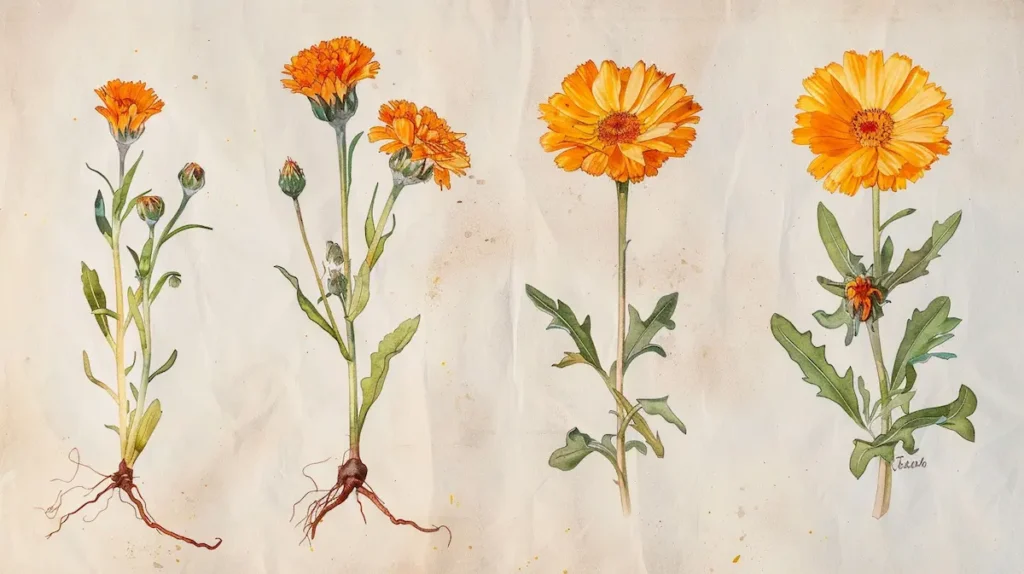
Visual traits:
- Bright yellow to deep orange daisy-like flowers
- Sticky, resinous green bracts under the flower head
- Soft, slightly hairy leaves; a “fresh green” scent when crushed
- Often blooms for a long season
Growth habit:
- Usually grown as an annual garden plant
- Can self-seed readily (you’ll find little volunteers in surprising places)
Look-alikes and safety notes:
- Pot marigold (Calendula officinalis) is not the same as Tagetes marigolds. They look related at a glance, but they’re different genera with different traditional uses.
Selecting Quality Herb
If you’re buying calendula (rather than growing it), quality is pretty visible:
Look for:
- Strong orange/yellow color
- A fresh, mildly resinous/herbal aroma
- Mostly petals/flower heads rather than lots of stem and leaf
Red flags:
- Dull brownish color (often older stock)
- Musty smell (moisture damage)
- Excessive powder/dust at the bottom of the bag (over-handled or aged)
Dosage Guidelines
These are general traditional ranges, not medical directions. When in doubt—especially with children, pregnancy, complex conditions, or medications—work with a qualified clinician.
For Humans
Common traditional ranges used in herbal practice include:
- Tea/infusion (internal): ~1–2 g dried flower per cup, up to 2–3 times daily (tradition varies)
- Topical infusion/wash: European herbal monograph examples include 1–2 g herb per 150 mL water for topical use. European Medicines Agency (EMA)+1
- Tincture (typical range in practice): often 2–4 mL, 2–3 times daily (depends heavily on extract ratio and alcohol %)
For Pets
Very conservative guidance only:
- Topical rinse only: a weak calendula tea (well strained, cooled), used 1–2 times daily on a small area
- Warnings: prevent licking; avoid use on deep/open wounds; discontinue if redness or itching increases; check with a veterinarian for anything persistent or widespread.
Side Effects & Contraindications
Calendula is generally considered gentle, but “gentle” doesn’t mean “for everyone.”
- Asteraceae (daisy family) sensitivity: people with ragweed/daisy-family allergies may react. European Medicines Agency (EMA)+1
- Skin reactions: rare, but possible—always patch test a new topical product.
- Age cautions: European monographs include age guidance (for example, certain calendula preparations are described for use only above specific ages). European Medicines Agency (EMA)
- Pregnancy/lactation: best handled with professional guidance due to limited high-quality clinical data for specific use cases.
Natural Growing Areas
Calendula officinalis is widely cultivated today, but it’s historically associated with the Mediterranean region and has long been grown across Europe in gardens and small farms. MDPI+1
It prefers temperate climates and does well in many parts of North America as a cultivated plant.
Growing Tips
Calendula is one of the most rewarding “beginner wins” in a medicinal garden.
- Light: full sun is ideal (it will tolerate partial sun)
- Soil: average, well-drained soil; it’s not fussy
- Water: moderate—water at the base, avoid soaking flowers
- Harvesting: pick flowers often to keep blooms coming; dry promptly for storage
- Bonus tip: it self-seeds readily, so you may get free calendula next season without even trying
Traditional Recipes
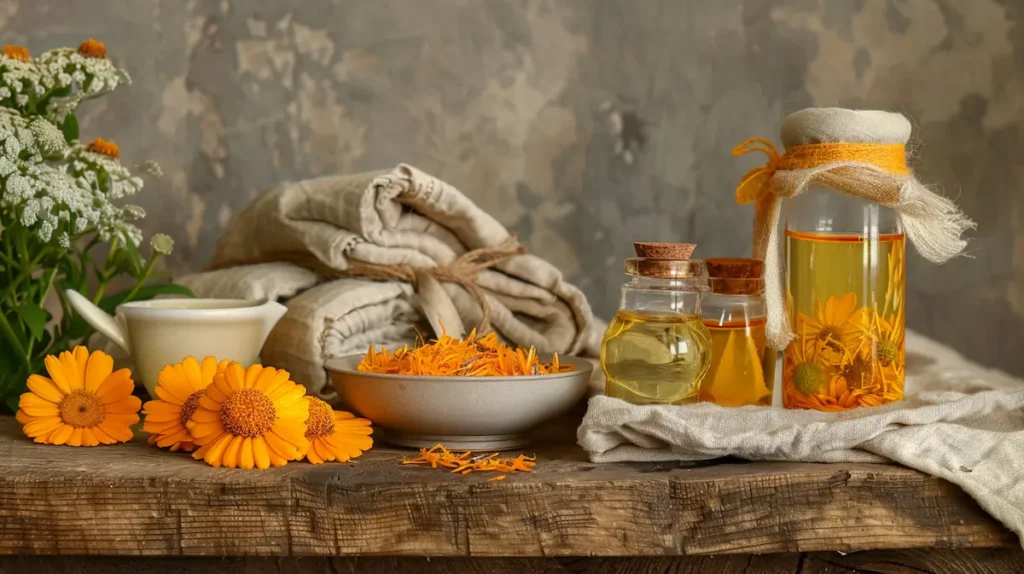
A few well-loved, practical ways calendula is prepared:
- Calendula oil (classic): pack dried petals into a jar, cover fully with olive oil, steep 2–4 weeks, strain well.
- Simple calendula salve: warm calendula-infused oil with beeswax (typical starting point: ~1 oz wax per 8 oz oil, adjusted to preference).
- Calendula wash/compress: brew a strong tea, cool, strain carefully, and apply with clean cloth.
- Culinary sprinkle (occasional): petals can be used as a bright garnish in salads or rice (mild flavor, mostly for color).
Frequently Asked Questions
Is calendula safe for daily use?
Many people use calendula topically as part of regular skin care. For internal use, traditions vary, and it’s smart to keep doses moderate and take breaks if you’re using it long-term. If you’re allergy-prone (especially to the daisy family), start small.
Can pets use calendula?
Sometimes, yes—mainly as a very mild, diluted external rinse on small areas. Avoid letting pets lick it, and skip it if your pet has known plant allergies. For anything serious or persistent, a veterinarian should guide care.
What does calendula taste like?
It’s mildly bitter and green, not exactly “dessert tea.” Some people blend it with gentler tasting herbs. The real magic is often in oils and salves, where taste isn’t part of the deal.
Fresh vs dried—what’s better?
Dried petals are usually preferred for oils because fresh flowers carry more moisture (which can shorten shelf life). Fresh can be lovely for immediate infusions or compresses if you use them right away. Either way, bright color and clean aroma matter.
How long does dried calendula last in storage?
Typically around a year when stored cool, dry, and away from light. If the petals look faded or smell dusty and flat, replace them. Calendula should look like sunshine, not like last year’s confetti.
Does calendula have research behind it?
Yes—there are reviews and clinical trials looking at calendula preparations, especially for topical use and wound-healing contexts. The overall picture is promising, but results vary by product type, dose, and study design. PubMed+2PMC+2
References
European Medicines Agency (EMA) — Calendulae flos herbal product overview European Medicines Agency (EMA)
EMA — Assessment report on Calendula officinalis L., flos (2018) European Medicines Agency (EMA)
Givol O, et al. Systematic review of Calendula officinalis extract for wound healing (2019) PubMed+1
Giostri GS, et al. Randomized clinical trial in acute hand wounds using standardized Calendula extract (2021) PMC
Balázs VL, et al. Carotenoid composition of Calendula officinalis flowers (2023) American Chemical Society Publications
Shahane K, et al. Review of calendula’s pharmacology and mechanisms (2023) PMC
The information on this site is intended for educational use only. It is not meant to diagnose, treat, cure, or prevent any condition, and should not be used as a substitute for professional medical guidance.